aiman

How to Create a Monthly Budget That Actually Works (Even If You’ve Failed Before)

You’ve tried budgeting before. You downloaded an app, color-coded a spreadsheet, maybe even went all-cash for a week — and by the third Friday, the plan fell apart and you went back to swiping your card and hoping. You’re not lazy, and you’re not bad at math. Most budgets fail because they’re built on guesses,

How to Create a Monthly Budget That Actually Works (Even If You’ve Failed Before) Read More »
Debt-to-Income Ratio Explained: What Lenders Look at Before Approving Your Loan

You found a house you love, your credit score is solid, and you have the down payment saved. Then the lender comes back with a question that stops the conversation: “What’s your debt-to-income ratio?” If you can’t answer, you’re not alone. Plenty of otherwise well-qualified borrowers get surprised—sometimes derailed—by this one number. Your debt-to-income ratio

Debt-to-Income Ratio Explained: What Lenders Look at Before Approving Your Loan Read More »

7 Common Money Mistakes Young Adults Make in Their 20s

7 Common Money Mistakes Young Adults Make in Their 20s

You just got your first real paycheck, and within a week it’s gone: rent, a car payment, a friend’s birthday dinner, and a streaming subscription you forgot to cancel. If that sounds familiar, you’re not careless — you’re just navigating a financial system that most people are never formally taught. Your 20s are when habits

7 Common Money Mistakes Young Adults Make in Their 20s Read More »

picture2

Credit Utilization Explained: The 30% Rule (And When It Doesn’t Apply)

You check your credit score before applying for a car loan and see a number lower than you expected. You pay every bill on time, you have no collections — so what went wrong? For many borrowers, the answer is a single ratio hiding in plain sight: credit utilization, the percentage of your available credit

Credit Utilization Explained: The 30% Rule (And When It Doesn’t Apply) Read More »

picture1

Credit Card Minimum Payment vs Full Payment: What It’s Really Costing You

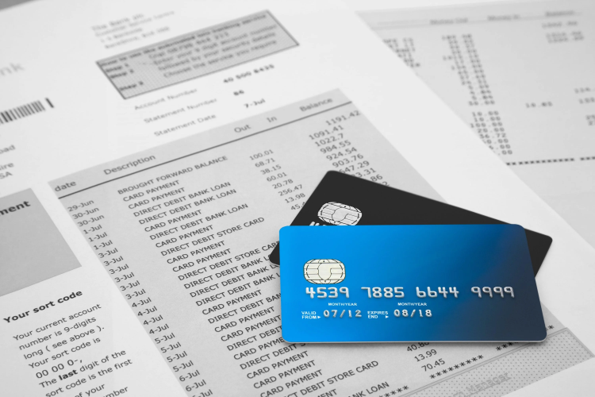
Your credit card statement shows a minimum payment due of just $68, while the total statement balance is $3,000. That $68 looks manageable and convenient. However, paying only that small amount while continuing to make new purchases can quietly add years to your debt cycle and cost thousands of dollars in accumulated interest. Understanding how

Credit Card Minimum Payment vs Full Payment: What It’s Really Costing You Read More »

d14bc695 1872 4ade bf9c 90f539cbfc65

How to Calculate the True Cost of a Personal Loan Before You Sign

Imagine getting two offers for a $10,000 personal loan, both quoting a 12% APR. One lender deposits the full $10,000 into your account. The other quietly deducts a $500 origination fee, handing you only $9,500 while requiring you to repay $10,000 plus interest. The monthly payments may look nearly identical, but the real borrowing expense

How to Calculate the True Cost of a Personal Loan Before You Sign Read More »