
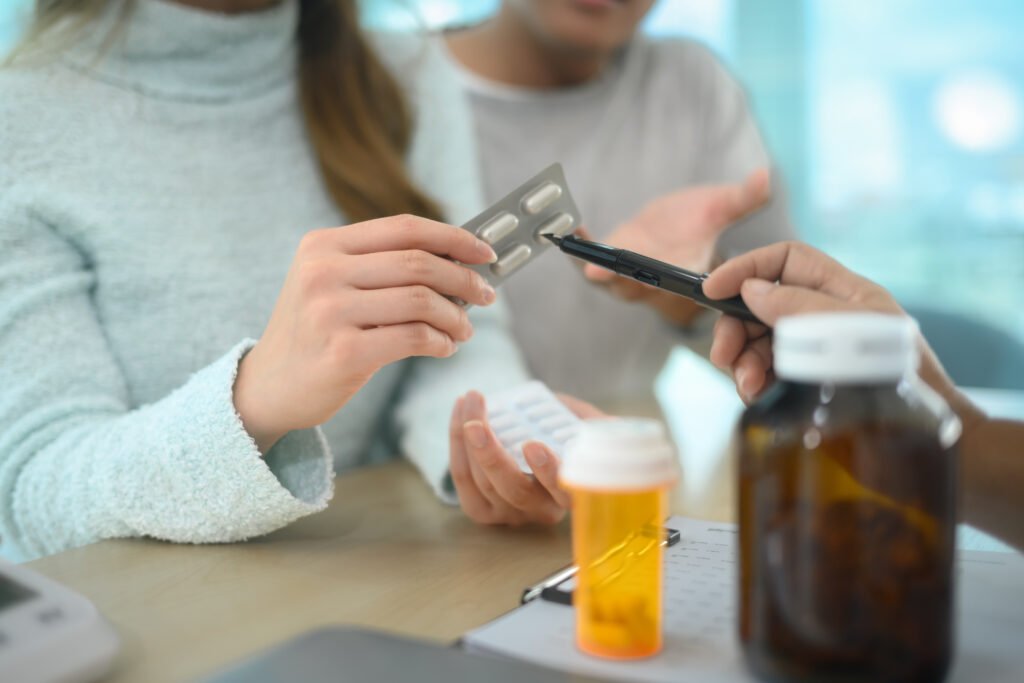
GLP-1 medications are changing more than healthcare.
Their growing use is beginning to influence grocery baskets, restaurant choices, clothing purchases, fitness habits, and wellness spending.
Recent U.S. research suggests these changes are large enough for retailers and consumer brands to pay attention.
PwC reported in June 2026 that 21% of U.S. households included a current GLP-1 user, based on its analysis of Numerator data.
So, what happens when millions of consumers begin eating, shopping, and exercising differently?
What Are GLP-1 Drugs?
GLP-1 receptor agonists are medications used for conditions including type 2 diabetes and chronic weight management.
They can reduce appetite, increase feelings of fullness, slow digestion, and help control blood glucose.
Well-known medicines include semaglutide products such as Wegovy and Ozempic.
Tirzepatide, sold under brands including Zepbound and Mounjaro, targets both GIP and GLP-1 pathways and is often discussed alongside GLP-1 medicines.
Their medical effects can also lead to changes in everyday purchasing decisions.
How GLP-1 Users Are Changing Their Spending
| Consumer Area | Emerging Behavior |
|---|---|
| Groceries | Less spending on some snacks and sugary drinks |
| Healthy foods | Greater interest in produce and protein-rich products |
| Clothing | New purchases as body sizes change |
| Fitness | More interest in walking, strength training, and wearables |
| Wellness | Greater spending on products that support health goals |
| Restaurants | Changing portion and meal preferences |
These trends do not apply to every GLP-1 user.
However, large consumer studies are showing clear changes across several categories.
1. Grocery Baskets Are Changing
Food is one of the clearest areas affected by GLP-1 use.
PwC’s 2026 research found that household grocery spending among GLP-1 users was 5.5% lower in its transaction analysis.
The composition of the basket changed too.
Among current users surveyed, 61% said they were buying fewer sweet treats and 56% reported buying fewer salty snacks.
Meanwhile, 44% said they were buying more fresh produce. More users were also purchasing packaged and fresh protein.
Academic research provides additional evidence.
A 2026 study published in JAMA Network Open found that grocery purchases after GLP-1 initiation shifted toward slightly higher protein levels and away from more highly processed foods in the population studied.
This creates opportunities for food companies selling protein-rich, nutrient-dense, and portion-controlled products.
2. Smaller Portions Could Become More Important
GLP-1 medications can increase feelings of fullness.
That may reduce demand for traditional large portions.
Food brands and restaurants could respond with smaller serving sizes, snack-size products, or premium products designed around quality rather than quantity.
This does not necessarily mean consumers will stop spending.
Instead, money may move from larger quantities toward products consumers believe better support their health goals.
For food companies, the question could shift from “How can we sell more food?” to “How can we provide more value in a smaller portion?”
3. Protein Is Becoming Even More Important
Protein was already a major food trend before GLP-1 adoption accelerated.
These medications may strengthen that demand.
NIQ reported that GLP-1 users had an outsized impact on sales growth for products carrying muscle-health claims in its 2024 to 2025 data.
This helps explain why protein is appearing in an expanding range of products.
Consumers can now find high-protein yogurts, cereals, bars, drinks, pasta, snacks, and ready meals.
The opportunity extends beyond specialist fitness products.
Protein is increasingly becoming part of mainstream grocery marketing.
4. Clothing Purchases Are Changing Too
The effect of GLP-1 medications does not end in the supermarket.
Changing body size can create an obvious problem.
Old clothes may no longer fit.
PwC found that 73% of current GLP-1 users surveyed reported a meaningful change in clothing size.
Its transaction data also showed apparel spending rising 9.9% after six to eight months among the GLP-1 user group studied.
Circana has identified a similar trend. Its 2026 research found that 55% of active users surveyed had purchased new clothing or footwear, with changing sizes being the main reason.
Retailers may therefore need to rethink size planning, flexible fits, exchanges, alterations, and customer loyalty programs.
5. Fitness and Wearables Are Gaining Attention
Some consumers also change how they exercise.
PwC found that 36% of current users surveyed had increased activities such as walking, running, cycling, or swimming.
Twenty-one percent reported increasing strength training.
Wearable technology may benefit too.
Circana found higher spending on wearable health technology among active GLP-1 users compared with non-users in its research.
This creates opportunities for fitness companies, gyms, health apps, smartwatches, coaching services, and wellness platforms.
6. A New Wellness Consumer Is Emerging
Perhaps the biggest change is psychological.
Many GLP-1 users are not simply buying less.
They are reallocating spending.
PwC found that users were combining medications with nutrition products, supplements, apps, fitness activities, and other forms of support.
Its survey found that 80% of current users were piecing together their own supporting routines.
That could create a much broader market around GLP-1 use.
Retailers, nutrition companies, fitness brands, pharmacies, digital health platforms, and apparel businesses may all compete for the same consumer.
What Does This Mean for Brands?
Companies should avoid assuming every GLP-1 consumer behaves in the same way.
Health conditions, income, treatment duration, goals, age, and individual preferences can all affect purchasing behavior.
Still, several trends deserve attention.
Brands may need smaller portions, higher-protein products, flexible clothing sizes, wellness services, clearer nutritional information, and more personalized customer experiences.
The companies that understand these changing needs may find new areas of growth even when spending falls in older categories.
Final Thoughts
GLP-1 medications are becoming more than a pharmaceutical story.
They are becoming a consumer-market story.
Their influence can now be seen in supermarkets, clothing stores, gyms, restaurants, health apps, and wearable technology.
The key change is not simply that some consumers are eating less.
They are shopping differently.
As GLP-1 use develops, businesses will need to understand where spending is declining, where it is moving, and what consumers want next.
The brands that respond thoughtfully could find themselves serving an entirely new type of health-focused customer.
Frequently Asked Questions
1. How are GLP-1 drugs changing consumer behavior?
Research shows changes in food purchases, portion preferences, clothing spending, exercise, health technology use, and wellness purchases among some GLP-1 users.
2. Are GLP-1 users spending less on groceries?
Some studies show lower grocery spending after starting treatment, but spending also shifts between categories. Protein, produce, and other health-focused foods may gain while snacks and sugary products lose share.
3. Why are GLP-1 drugs affecting clothing retailers?
Weight and body-size changes can mean existing clothes no longer fit. This can lead consumers to replace clothing and reconsider their personal style.
4. Are GLP-1 drugs safe for everyone?
No medication is appropriate for everyone. GLP-1 medicines are prescription treatments with benefits, risks, side effects, and specific approved uses. Consumers should discuss treatment decisions with qualified healthcare professionals. The FDA also warns against unapproved GLP-1 products because they have not undergone the same review for safety, effectiveness, and quality.