
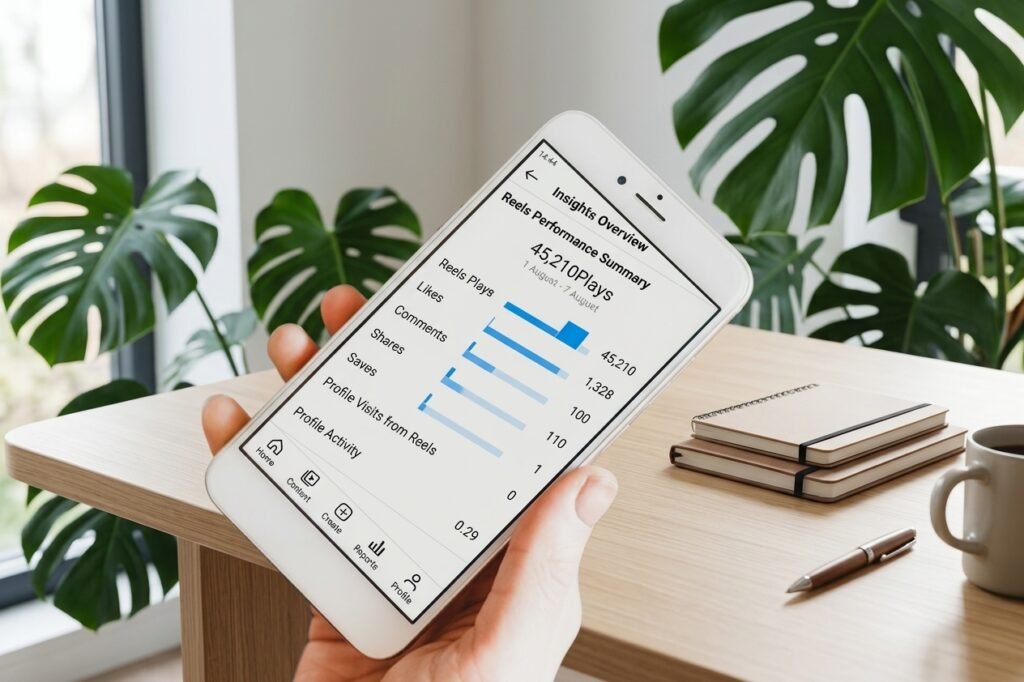
If you’ve ever posted a Reel you spent two hours on and watched it get a few likes, while a quick clip filmed in someone’s kitchen crosses into the tens of thousands, the Instagram algorithm in 2026 is the reason. It feels random, but it usually isn’t.
Understanding how the Instagram algorithm works won’t guarantee a viral post, but it will help you stop guessing and start making content the platform is more likely to show to new people. So, let’s get started!
There Is No Single Instagram Algorithm in 2026
The first thing to know is that “the algorithm” is really several systems. Instagram doesn’t run on one algorithm, and it uses four separate ranking systems, one each for Feed, Reels, Stories, and Explore, with each weighing signals differently. Hootsuite BlogEclincher
That makes sense once you think about how people use the app. People tend to look for close friends in Stories, use Explore to discover new content and creators, and open Reels to be entertained. Buffer
So a post that does well in one place may not do well in another. Your Stories reach your closest audience, while Reels and Explore are where strangers are most likely to find you.
Instagram Algorithm in 2026: The Ranking Signals That Matter Most
Here’s how to turn those signals into habits that work with the Instagram algorithm in 2026. The three most important signals confirmed by Instagram head Adam Mosseri are watch time, sends per reach (DM shares), and likes per reach. CreatorFlow
Here’s what each one means in plain language.
Watch time
Watch time is described as the single most important signal across surfaces. If people stay until the end, or watch a Reel more than once, Instagram reads that as a sign the content is worth showing to others. Eclincher
Sends (DM shares)
When someone sends your post to a friend, it says something a like can’t. It indicates the content is worth spreading, which makes shareable content, such as relatable posts, useful tips, or conversation starters, more important than ever for organic reach. Later
Likes per reach
Likes still count, but they no longer tell the whole story. They matter, but carry less weight than watch time or sends. CreatorFlow
One more change worth knowing about: Mosseri announced that Instagram’s analytics would focus on views, and that creators should optimize for views instead of likes and engagement. If you still judge posts by likes alone, your dashboard may be pointing you in the wrong direction. Later
What Changed for Instagram in 2026
Several shifts are shaping how content gets distributed this year:
- Originality is Rewarded: Mosseri’s year-end memo signaled that Instagram would reward raw, real human content over AI-generated material throughout 2026. Another guide notes that the algorithm down-ranks anything that looks recycled from other platforms. DataslayerHootsuite Blog
- More Control as a Viewer: Users can now reset their recommendations using the “Reset suggested content” feature in Content preferences. That means people can shape their own feeds more directly, which makes relevance to a specific audience even more important. Later
- Trial Reels Give Creators a Safer Way to Test: Trial Reels let creators experiment at low risk. Later
Since these systems keep evolving, check Instagram’s official creator resources now and then for updates rather than relying on old advice.
How to Work With the Instagram Algorithm in 2026 for More Reach
Here’s how to turn those signals into habits.
1. Hook People in the First Second
Watch time starts with the opening. Begin with the interesting moment, a question, or a bold line of text instead of a slow intro. If your first shot is you adjusting the camera, many people will scroll before the good part.
2. Keep Videos as Short as the Idea Allows
Shorter videos are more likely to be watched all the way through, and full views are one of Instagram’s ranking signals. Don’t stretch a 15-second idea into 45 seconds. Clean, tight editing often helps here, and it’s worth learning a few basic tricks for faster, sharper cuts. Hootsuite Blog
3. Make Content People Want to Send
Ask yourself before posting: would someone send this to a friend? Useful checklists, relatable situations, quick how-tos, and “this is so you” moments tend to travel in DMs. Try ending with a line that invites sharing, such as “Send this to someone who needs it.”
4. Stay in a Clear Niche
A focused profile makes it easier for the Instagram algorithm in 2026 to learn who your content is for. Keeping a clear, consistent niche helps the algorithm understand who to show you to. If you post about budget travel one week and skincare the next, Instagram has a harder time matching you to the right viewers. Eclincher
5. Post Consistently, Not Constantly
One guide reports Mosseri has suggested a cadence of roughly two Reels plus three to five feed posts per week, noting that consistency matters more than volume. Treat that as a sensible starting point, not a strict rule. A schedule you can maintain beats a burst of posts followed by silence. Eclincher
6. Show the Real You
This is a big part of how the Instagram algorithm in 2026 favors original content. Content that signals genuine human experience, like face-to-camera videos, personal stories, and real environments, is reported to receive preferential distribution over highly produced or clearly AI-generated video. You don’t need a perfect setup. Real voice, real opinions, and real situations tend to feel more trustworthy. RenderCut
7. Use Captions and Hashtags as Context
Captions and hashtags help Instagram and viewers understand what your post is about. Keep them relevant and specific instead of stuffing in dozens of tags. Writing captions with search in mind also helps, and the same thinking applies on other platforms. This guide on TikTok SEO in 2026 and how to get more views from search shows how keyword-led captions can help videos get discovered.
A Simple Example
Imagine a home baker who posts a 12-second Reel showing a cracked cookie tip, with the on-screen text “Why your cookies spread and how to stop it.”
- The hook promises a solution right away.
- The short length makes a full watch more likely.
- The useful tip gives people a reason to send it to a friend who bakes.
- The niche focus tells Instagram exactly who might care.
None of that guarantees reach, but every element lines up with the signals discussed above.
Common Mistakes to Avoid
- Chasing likes only. Watch time and sends often say more about how content is performing.
- Reposting recycled clips. Videos with visible watermarks from other apps may perform worse, given that recycled content is reportedly down-ranked.
- Changing niches constantly. It confuses both the algorithm and your audience.
- Using engagement bait. Begging for likes and follows rarely builds real interest.
- Ignoring your analytics. Look at which posts keep viewers watching and which get shared, then make more of those.
Turning Reach Into Something Bigger
Once the Instagram algorithm in 2026 starts working in your favor, reach is only useful if it leads somewhere. Once you’re growing steadily, you can think about how an audience might support a business or income. If you want to see how creators approach that, read this breakdown of how to earn money from Instagram. Income is never guaranteed, and results vary, so treat this as general education, not financial advice.
If you’d rather build something independent of any single platform, these online business ideas you can start from home can help you think about where an audience might fit.
Final Thoughts
The Instagram algorithm in 2026 comes down to a simple question: does your content hold attention and give people a reason to share it? Focus on strong hooks, useful or relatable ideas, a clear niche, and consistent posting. Check your views, watch time, and sends, then adjust. Organic growth takes patience, but it gets easier once you know which signals to build around.