
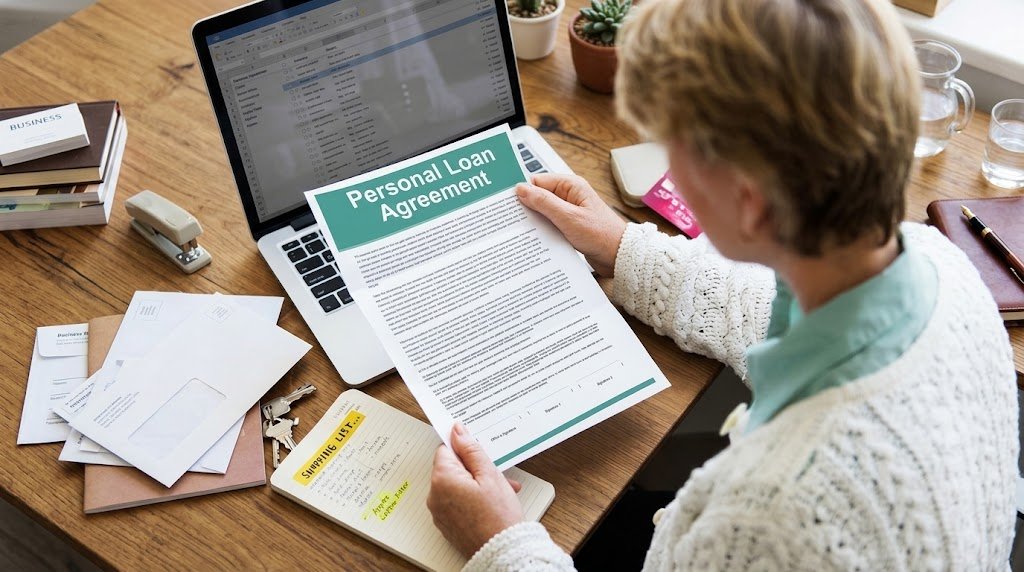
Paying off a loan early feels like an obvious win — less interest paid, one less monthly obligation, and a debt-free milestone reached ahead of schedule. But for some loans, that instinct can backfire. A prepayment penalty is a fee some lenders charge specifically for paying off a loan faster than the original schedule, and it can turn a smart financial move into an unexpectedly costly one.
Here’s how a prepayment penalty works, which loans commonly include one, and how to avoid getting caught by it.
What Is a Prepayment Penalty?
A prepayment penalty is a fee charged by a lender when a borrower pays off all or part of a loan ahead of the agreed schedule. It exists because lenders earn money primarily through interest over the life of a loan — when a loan is paid off early, the lender loses out on the interest income they expected to collect, and the penalty is designed to offset some of that loss.
Not all loans include this fee, and even among those that do, the structure and cost vary significantly by lender, loan type, and sometimes by state law.
Why Lenders Charge a Prepayment Penalty
From the lender’s perspective, a prepayment penalty makes financial sense: it protects their expected return on a loan they priced and approved based on a set repayment timeline. This is especially relevant for lenders who offered a lower interest rate in exchange for the borrower committing to a longer term.
For the borrower, though, it means the “freedom” to pay off debt faster isn’t always free — and the penalty can sometimes offset a meaningful portion of the interest savings the early payoff was meant to achieve.
Which Loans Commonly Include a Prepayment Penalty
Mortgages
Prepayment penalties are less common on mortgages today than they were before the 2008 financial crisis, largely due to added consumer protections. The Consumer Financial Protection Bureau confirms that prepayment penalties are restricted on many mortgage types under current federal rules, though they can still appear on certain loans, particularly some non-qualified or non-conforming mortgage products.
Personal Loans
A prepayment penalty on personal loans is less common than it once was, but it still exists with some lenders. It’s a detail easy to overlook when comparing loan offers primarily by interest rate, since a lower rate paired with a prepayment penalty can sometimes cost more overall than a slightly higher rate without one, depending on how quickly you plan to pay it off.
Auto Loans
Some auto loans, particularly those from smaller or subprime lenders, include a prepayment penalty or structure interest in a way (sometimes called “precomputed interest”) that reduces the benefit of paying early, even without a formally labeled penalty.
Business Loans
A prepayment penalty is especially common in commercial and business lending, where lenders often rely more heavily on the interest income from a loan’s full term as part of their underwriting.
How a Prepayment Penalty Is Typically Structured
Prepayment penalty terms vary, but common structures include:
- A flat fee, charged regardless of how much of the loan is paid off early
- A percentage of the remaining balance, which can range from around 1% to 5% depending on the lender and loan type
- A sliding scale that decreases over time, sometimes called a “step-down” penalty — for example, 3% in year one, 2% in year two, 1% in year three, then no penalty afterward
- A penalty that only applies within a specific window, such as the first 1 to 3 years of the loan, after which early payoff is free
Some loans also distinguish between paying off the entire balance early versus making extra payments toward principal — a penalty might apply only to a full payoff, while partial extra payments are allowed penalty-free up to a certain amount each year.
How to Find Out If Your Loan Has a Prepayment Penalty
Check Your Loan Agreement Directly
A prepayment penalty clause, if one exists, must be disclosed in your loan documents. Look specifically for terms like “prepayment penalty,” “early payoff fee,” or “prepayment premium.”
Review Your Loan Estimate or Closing Disclosure (for Mortgages)
For mortgages specifically, federal disclosure rules require lenders to clearly indicate whether a prepayment penalty applies, and under what terms, in the standardized Loan Estimate and Closing Disclosure documents provided during the application process.
Ask the Lender Directly Before Signing
If the language in your loan documents isn’t clear, or you’re still comparing offers, asking the lender directly whether a prepayment penalty applies — and requesting the exact terms in writing — is the most reliable way to avoid an unwelcome surprise later.
How to Avoid a Prepayment Penalty
Compare Total Cost, Not Just the Interest Rate
When shopping for a loan, especially one you plan to pay off ahead of schedule, factor in whether a prepayment penalty exists and what it would cost under your realistic payoff timeline — not just the advertised interest rate.
Ask for the Penalty to Be Removed or Reduced
Prepayment penalty terms are sometimes negotiable, particularly for borrowers with strong credit or larger loan amounts. It doesn’t hurt to ask before signing, since lenders may be willing to adjust the term to win your business.
Check for a Penalty-Free Window
If a loan has a step-down or time-limited prepayment penalty, it may be worth timing a large payoff to land just after the penalty period ends, rather than paying it off a few months earlier and incurring an avoidable fee.
Factor This In Before You Sign Any Loan
If you’re weighing whether to take on new debt at all, understanding how much loan you can comfortably afford before signing anything can help you avoid loans with unfavorable terms in the first place. This guide on figuring out how much personal loan you can afford is a useful starting point for evaluating any loan offer, prepayment penalty included. If you’re being asked to guarantee someone else’s loan rather than take one out yourself, the same scrutiny applies — co-signing a loan makes you equally responsible for its terms, prepayment penalty and all, even though you’re not the one deciding when it gets paid off early.
When a Prepayment Penalty Might Still Be Worth Accepting
In some cases, a loan with a prepayment penalty is still the better overall choice — for example, if it comes with a meaningfully lower interest rate and you don’t expect to pay it off early anyway. The key is making that decision deliberately, with the penalty terms factored in, rather than discovering it only when you’re ready to pay the loan off.
It’s also worth considering whether the loan carries a fixed or variable interest rate, since a variable-rate loan with a prepayment penalty is a particularly risky combination — you could face a rising rate and be penalized for trying to pay it off before that rate climbs further.
What Happens If You Ignore the Penalty and Pay Anyway
Paying off a loan early despite a prepayment penalty isn’t a mistake in every case — sometimes the interest saved still outweighs the fee. The mistake is not knowing the penalty exists and being surprised by the charge on your final payoff statement. Running the actual numbers — interest saved versus penalty owed — before making the payoff decision is the only way to know for certain which option comes out ahead.
When Extra Income Tempts You Into an Early Payoff
A raise, a bonus, or a tax refund often triggers the urge to throw extra money at debt immediately. That instinct is usually sound, but it’s worth pausing to check for a prepayment penalty first — especially if the windfall is also nudging your everyday spending upward. If a bigger paycheck has quietly expanded your monthly budget in other ways too, it’s worth reading about lifestyle inflation before deciding how to split extra income between spending, saving, and an early loan payoff that might carry a hidden fee.
A Quick Way to Check Your Own Loan Right Now
If you already have a loan and aren’t sure whether a prepayment penalty applies, the fastest way to check is your online account portal or a call to your lender — the same kind of small, easy-to-overlook detail as knowing your card’s exact billing date. Just as the statement date trick shows how a single overlooked date can quietly affect your credit score, an unnoticed prepayment penalty clause can quietly affect your payoff math, until you actually go looking for it.
Final Thoughts
A prepayment penalty can turn what feels like a straightforward financial win — paying off debt early — into a more complicated calculation than most borrowers expect. The fee isn’t universal, and it’s becoming less common on certain loan types, but it still shows up often enough that checking for it before signing, and before making a large payoff, is a step worth taking every time.
If you’re unsure whether your current loan includes a prepayment penalty, your loan agreement or a quick call to your lender can settle it — and knowing the answer now is far better than finding out the expensive way.