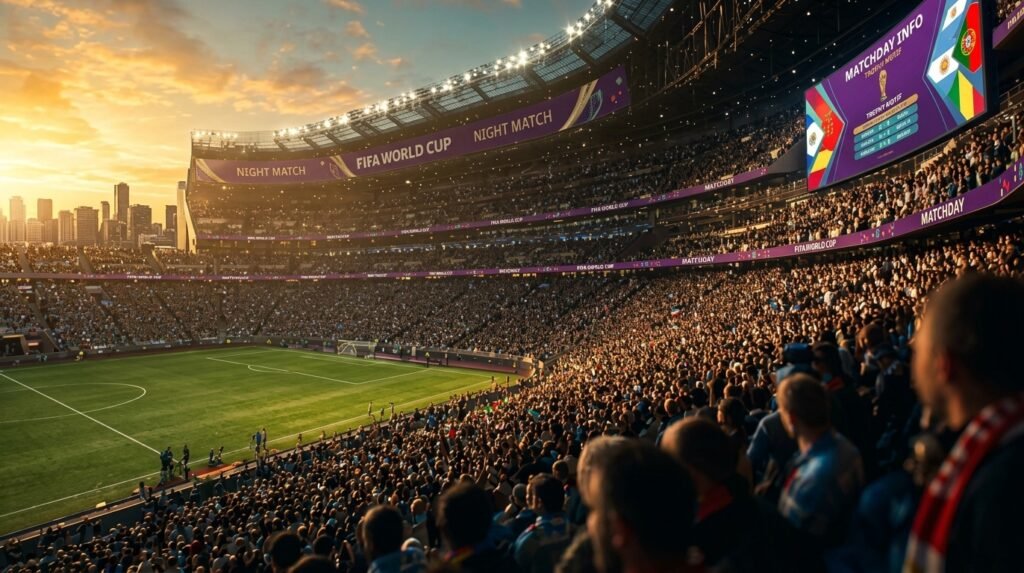
If you tried to buy a ticket to the FIFA World Cup 2026, you probably remember the experience: a draw, a queue, a price that changed depending on when you looked, and a nagging question about whether you were getting a fair deal. Millions of fans went through some version of this.
The tournament has now finished, so here is a clear look at what happened: where it was played, how the schedule worked, and why ticket sales became one of the biggest stories of the summer.
FIFA World Cup 2026 Result: Spain Are Champions
The FIFA World Cup 2026 ended on July 19, 2026, at New York New Jersey Stadium. Britannica reports that Spain beat Argentina 1–0 after extra time to win the title. FIFA’s final page says Spain lifted the trophy in front of a crowd of more than 80,000.
It was the first World Cup with 48 teams, and FIFA confirmed a 104-match schedule across 16 host cities in three countries.
The 16 Host Cities
The FIFA World Cup 2026 was the first to be shared by three countries. Britannica lists 11 U.S. cities, 3 in Mexico, and 2 in Canada.
United States:
- New York/New Jersey
- Dallas
- Atlanta
- Los Angeles
- Seattle
- Boston
- Houston
- Kansas City
- Miami
- Philadelphia
- San Francisco Bay Area
Mexico: Mexico City, Guadalajara, and Monterrey
Canada: Toronto and Vancouver
Mexico City’s Estadio Azteca was one of the tournament’s most symbolic venues. It hosted the finals in 1970 and 1986 and became the first stadium to be part of three World Cups.
How the Cities Were Grouped
FIFA announced the hosts in three regional groups: West, Central, and East. The idea was to limit travel for teams and fans during the group stage. In practice, distances were still large. Fans who followed a team from Vancouver to Miami, for example, spent a lot on flights.
How the FIFA World Cup 2026 Schedule Worked
The old 32-team format had eight groups and 64 matches. The new format had 48 teams and 104 matches, which meant a longer tournament and a new knockout round before the round of 16.
A few practical points stood out for supporters:
- Matches were spread across time zones. Kickoff times mattered for fans watching from Europe, Asia, and Africa.
- Travel planning was hard. Teams and supporters could not always be sure of their route until the draw fixed the fixtures.
- Climate varied a lot. Summer conditions differ between places like Monterrey, Seattle, and Toronto, and that shaped both the football and the fan experience.
If you’re following other sports right now, our World Championship of Legends 2026 schedule, teams, and latest update covers another major calendar event.
FIFA World Cup 2026 Ticket Sales: What Happened
Tickets were the most debated part of the FIFA World Cup 2026, mainly because of pricing.
The Pricing Model
When FIFA opened sales, ESPN reported that prices would range from $60 for group-stage matches to $6,730 for the final, and that FIFA would use dynamic pricing for the first time. Dynamic pricing means prices can rise or fall with demand, the way airline and hotel rates do.
Prices went up as the tournament approached. According to Sports Illustrated, Category 1 tickets for the final opened at $6,370 in October and were listed at $10,990 when the fourth sales phase began in April.
Demand and Resale
FIFA said in December 2025 that it had received more than 150 million ticket requests from fans in over 200 countries during one draw phase, according to its own release.
Resale prices for the final went much higher. Yahoo Sports reported that the average ticket price for the final on SeatGeek was $12,751, and that at least one listing on FIFA’s resale platform asked $2.3 million. A listing is only an asking price, not proof that the ticket sold.
The Backlash
Not everyone accepted FIFA’s argument that its pricing reflected demand. NPR reported that the New York and New Jersey attorneys general launched a probe into FIFA’s ticket practices. PBS NewsHour added that California and Texas officials had also opened investigations or raised concerns, and that a European supporters’ group filed a complaint about pricing.
PBS also found that many matches were not sold out as of June 12, despite earlier claims that every match was. That is a useful reminder to check sold-out claims yourself. The pricing row put the FIFA World Cup 2026 under regulatory scrutiny in several states.
Common Mistakes Fans Made
- Waiting for a bargain. Some fans hoped prices would fall late, but many matches did the opposite.
- Using unofficial sellers. The official platform and resale marketplace were the safest options.
- Ignoring fees. Resale fees and service charges can add a lot to the sticker price.
- Booking travel before tickets. Flights and hotels are hard to refund if a ticket falls through.
- Treating resale listings as market prices. A $2.3 million asking price says little about what people actually paid.
Tips for Buying Tickets to Future Tournaments
- Apply early. Entering draws costs nothing and keeps options open.
- Set a firm budget. Decide your maximum before browsing so the countdown doesn’t push you into overspending.
- Use official channels only. This lowers the risk of counterfeit or cancelled tickets.
- Read the refund and transfer rules. They differ between phases and resale.
- Plan around the ticket. Book non-refundable travel only after you have confirmed seats.
This is general information, not financial advice, and ticket rules can change between tournaments.
Off the Pitch
Football’s business side drew almost as much attention as the matches at the FIFA World Cup 2026. If you follow the sport’s governance stories, our explainer on the Manchester City 115 charges, the latest verdict, ban risk, and what happens next covers another major ongoing debate.
Sport can also make headlines far from football. Pakistan’s success is a good example, as we reported when Pakistan wins gold in Category D at the 46th FIDE Chess Olympiad.
Final Thoughts
The FIFA World Cup 2026 was bigger than any before it: more teams, more matches, more host cities, and a new champion in Spain. It was also the tournament where ticket pricing became a genuine public argument, with regulators taking notice.
For fans, the takeaway is simple. Watch the official announcements, apply early, and budget for prices from day one. FIFA is already promoting the 2030 tournament, so the next round of ticketing questions is not far away.