
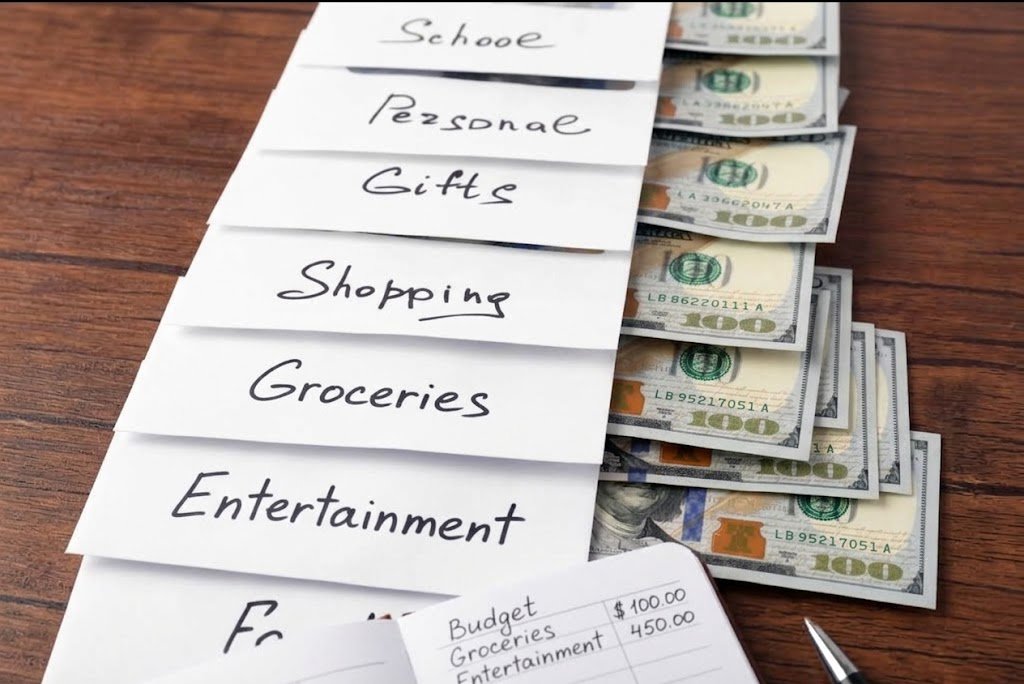
Scroll through TikTok’s finance corner and you’ll eventually land on someone dividing a stack of cash into colorful envelopes labeled “groceries,” “gas,” and “fun money,” narrating each decision like a satisfying ritual. This is the cash stuffing method — a modern, aesthetic-driven revival of the decades-old envelope budgeting system — and it’s become one of the most-viewed budgeting trends in recent years. But does it actually work as well as the videos suggest, or is the appeal mostly in the visuals?
Here’s how the cash stuffing method actually works, the genuine benefits, the real drawbacks, and who it tends to help most.
What Is the Cash Stuffing Method?
The cash stuffing method is a budgeting system where you withdraw a set amount of cash each pay period and physically divide it into labeled envelopes (or a specialized wallet) representing different spending categories — groceries, entertainment, transportation, and so on. Once an envelope is empty, spending in that category stops until the next pay period, regardless of what’s left in your bank account.
It’s essentially the traditional envelope budgeting system, a method financial counselors have recommended for decades, repackaged with decorative supplies, aesthetic organization, and short-form video content that’s made it newly popular with a younger audience.
Why the Cash Stuffing Method Has Gone Viral
Part of the appeal is genuinely psychological, not just aesthetic. Handling physical cash creates something researchers call the pain of paying — a well-documented tendency for people to feel spending more acutely, and therefore spend less, when using cash instead of a card. Swiping a card or tapping a phone abstracts the transaction; counting out physical bills doesn’t.
The visual, tactile nature of the trend also plays into why it spreads so easily online: watching someone sort cash into neat, labeled envelopes is satisfying to watch, which is part of why cash stuffing content performs well on video platforms, independent of whether viewers ever try it themselves.
The Genuine Benefits of the Cash Stuffing Method
It Creates a Hard Spending Limit
Once an envelope is empty, spending in that category physically stops — there’s no overdraft, no “I’ll just put it on the card this once.” This hard limit can be especially effective for people who consistently overspend using digital payment methods.
It Makes Spending Categories Visible and Tangible
Digital budgeting apps show numbers on a screen, which some people find easy to mentally dismiss. Physical cash in a labeled envelope makes the remaining balance in each category immediately, tangibly obvious.
It Can Reduce Overall Spending
Because cash triggers a stronger psychological response than card payments, many people using the cash stuffing method report spending less overall in discretionary categories, simply from the friction of physically handing over bills rather than tapping a card.
It Requires No Apps, Subscriptions, or Technical Setup
Unlike many budgeting tools, cash stuffing has essentially no barrier to entry — envelopes, cash, and a basic plan are all that’s needed, which appeals to people who’ve found budgeting apps overwhelming or unsustainable.
The Real Drawbacks of the Cash Stuffing Method
Carrying Cash Comes With Real Risk
Unlike money in a bank account, cash that’s lost, stolen, or misplaced is simply gone — there’s no fraud protection, no reversal, no backup. This is a meaningful trade-off that’s rarely mentioned in short-form videos focused on the aesthetic side of the system.
It Doesn’t Work for Every Expense
Rent, utilities, subscriptions, and most recurring bills are paid digitally by necessity, meaning cash stuffing typically only covers discretionary categories — groceries, entertainment, dining out — rather than your full budget. It’s a partial system, not a comprehensive one.
It Can Be Inconvenient in an Increasingly Cashless Economy
Many retailers, restaurants, and services increasingly favor or require card payments, and some locations don’t accept cash at all. This can make strict envelope spending genuinely impractical depending on where you live and shop.
It Doesn’t Build Credit History
Because cash stuffing avoids card use entirely for budgeted categories, it does nothing to build a credit history, which the Consumer Financial Protection Bureau notes is shaped primarily through consistent, on-time use of credit accounts over time. Relying entirely on cash also means the discipline that comes from managing a card responsibly — like never missing a due date — never gets exercised. In fact, someone who shifts fully to cash and lets a credit card sit forgotten in a drawer should still stay alert to it, since a missed credit card payment on an old, unused card can damage a credit score just as easily as one that’s used regularly.
The Aesthetic Can Overshadow the Function
Some of the viral appeal centers on decorative supplies — branded wallets, stickers, planner inserts — that add cost without adding any actual budgeting benefit. It’s worth separating the functional method from the optional (and unnecessary) shopping that often surrounds it online.
Who the Cash Stuffing Method Works Best For
- People who consistently overspend on cards and need a harder physical limit than a digital budget provides
- Visual and tactile learners who find spreadsheets or apps abstract and hard to stick with
- Those managing a limited number of discretionary categories (groceries, dining, entertainment) rather than trying to cash-stuff an entire complex budget
- Anyone building a habit of paying closer attention to spending, even if they eventually transition to a digital version of the same system
Whether this approach genuinely fits you often comes down to psychology as much as logistics. Taking a money personality test can help clarify this — a Spender who struggles with impulse purchases may benefit enormously from the hard limits cash stuffing creates, while a Saver who already tracks every dollar digitally may find the physical system redundant rather than helpful.
Who It Probably Isn’t Right For
- People who rely heavily on credit card rewards or need to build credit history
- Those in areas or industries where cash isn’t practical or widely accepted
- Anyone uncomfortable with the security risk of keeping meaningful cash amounts at home
- People who already track spending effectively through an app or spreadsheet and don’t need a behavioral nudge
A Middle-Ground Alternative to the Cash Stuffing Method
For people drawn to the structure of cash stuffing but wary of carrying physical cash, several budgeting apps now offer a “digital envelope” system — allocating specific amounts to virtual categories within a bank account or app, without the security risk of physical bills. This captures some of the category-based discipline of cash stuffing while keeping funds protected and payments compatible with cards.
This kind of structured, category-based thinking about cash flow also matters beyond day-to-day spending. Borrowers who don’t track their full financial picture carefully are sometimes the ones most at risk of loan stacking — taking on multiple loans without fully accounting for the combined payment. The same discipline that makes cash stuffing effective for daily spending — knowing exactly what’s allocated where — applies just as much to bigger financial decisions like borrowing.
Final Thoughts
The cash stuffing method isn’t just a TikTok gimmick — the underlying psychology behind it (the pain of paying, tangible category limits) is genuinely supported by behavioral research, and it can be an effective tool for people who consistently overspend on cards. That said, it’s not a complete budgeting system on its own, and it comes with real trade-offs around security, convenience, and credit-building that the viral, aesthetic-focused videos rarely mention.
Whether it’s worth trying comes down to your specific spending habits: if digital numbers on a screen don’t create enough friction to curb your spending, physical cash might genuinely help. If you’re already disciplined with cards or need to build credit, the appeal is mostly aesthetic rather than functional.