
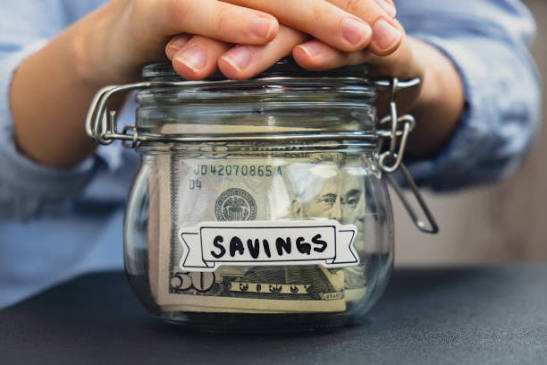
Most people don’t go into debt because they’re irresponsible with money. They go into debt because a large, predictable expense shows up and they haven’t saved for it. A car needs new tires. A holiday season arrives. An annual insurance premium comes due. None of these expenses are surprises, yet they often get paid for with a credit card because there’s no cash set aside.
This is exactly the problem sinking funds are designed to solve.
A sinking fund is a simple budgeting tool that helps you save gradually for a specific, known future expense, so the money is already there when the bill arrives. Unlike an emergency fund, which covers unexpected events, a sinking fund covers expenses you can see coming.
This guide explains what sinking funds are, how they differ from emergency funds, and how to set one up in a way that actually fits your budget.
What Is a Sinking Fund?
A sinking fund is money you set aside on a regular basis for a specific future expense. Instead of paying for a large cost all at once, you break it into smaller, manageable amounts saved over time.
For example, if you know you’ll need $600 for holiday gifts in December, you could set aside $50 a month starting in June. By the time December arrives, the money is already saved, and you don’t need to rely on credit.
The term originally comes from corporate and government finance, where organizations set aside money over time to pay off future debt. In personal finance, the concept works the same way, just on a smaller scale: you’re setting aside money now so a future expense doesn’t disrupt your budget later.
Sinking Fund vs. Emergency Fund: What’s the Difference?
These two terms often get confused, but they serve different purposes.
An emergency fund is for the unexpected. This includes things like:
- Job loss
- Medical emergencies
- Urgent home or car repairs you didn’t see coming
Financial experts, including guidance from the Consumer Financial Protection Bureau, generally recommend building an emergency fund equal to several months of essential expenses to protect against financial shocks.
A sinking fund, on the other hand, is for the expected. You already know the expense is coming, you just don’t know the exact amount or you haven’t saved for it yet. Examples include:
- Annual car registration
- Holiday spending
- Home maintenance
- Vacation costs
- A new laptop or appliance replacement
Think of it this way: your emergency fund protects you from financial surprises. Your sinking fund protects you from financial predictability that you haven’t planned for.
Why Sinking Funds Prevent Debt
Credit card debt often builds up not from one big mistake, but from a series of “I’ll deal with it later” expenses. When a big bill arrives and there’s no cash set aside, a credit card becomes the default solution.
The Federal Reserve’s Report on the Economic Well-Being of U.S. Households has repeatedly shown that many adults would struggle to cover a modest unexpected expense using cash or savings alone. Predictable expenses that aren’t planned for often get treated the same way as emergencies, simply because the money isn’t ready.
Sinking funds shift this pattern. By saving small amounts consistently, you avoid:
- High-interest credit card balances
- Personal loans for routine expenses
- Financial stress when bills arrive
- Disrupting your regular budget
The expense still happens. The difference is that you’re prepared for it.
Common Expenses People Use Sinking Funds For
Sinking funds work best for costs that are irregular but predictable. Common examples include:
Vehicle-related costs
- Registration renewal
- Tires and routine maintenance
- Insurance premiums paid annually or semi-annually
Home-related costs
- HVAC servicing
- Appliance replacement
- Seasonal maintenance
Personal and family expenses
- Holiday gifts
- Back-to-school costs
- Birthdays and celebrations
- Vacations
Health and wellness
- Dental work not fully covered by insurance
- Prescription costs
- Annual medical deductibles
You don’t need a sinking fund for every category. The goal is to identify which expenses tend to catch you off guard each year, then plan around them.
How to Set Up a Sinking Fund (Step-by-Step)
Setting up a sinking fund doesn’t require complicated tools or spreadsheets. It requires a bit of planning and consistency.
Step 1: List Your Predictable Big Expenses
Look back at the last 12 months. What non-monthly expenses came up? Common patterns include car maintenance, holiday spending, or annual subscriptions and premiums.
Step 2: Estimate the Cost and Timeline
For each expense, estimate:
- The approximate total cost
- When the expense is due
For example, if car registration costs $150 and is due in 6 months, you know exactly how much time you have to save.
Step 3: Break It Into Smaller Contributions
Divide the total cost by the number of months until the expense is due.
$150 ÷ 6 months = $25 per month
This turns a large, stressful expense into a small, manageable one.
Step 4: Keep the Money Separate
This is one of the most important steps. If sinking fund money sits in your main checking account, it’s easy to spend it accidentally.
Many people use:
- A separate savings account
- Sub-accounts or “buckets” offered by some online banks
- A dedicated savings account specifically for irregular expenses
Several online banks, such as Ally Bank, allow customers to create multiple named savings buckets within one account, which makes tracking several sinking funds easier without opening separate accounts.
Step 5: Automate Contributions
Set up an automatic transfer on paydays. Automating the process removes the temptation to skip a month and keeps the fund growing consistently.
How Many Sinking Funds Should You Have?
There’s no fixed number, but simplicity matters more than complexity. For most people, 3 to 6 sinking funds are manageable. Too many categories can make tracking difficult and increase the chance of losing motivation.
A practical starting point:
- One fund for vehicle expenses
- One fund for holidays and gifts
- One fund for home maintenance
- One fund for irregular annual bills (insurance, subscriptions, etc.)
You can always add more once the habit feels manageable.
Sinking Funds and Your Overall Budget
Sinking funds work best when they’re part of a broader budgeting system, not a separate, disconnected habit. If you’re already following a structured budgeting method, sinking fund contributions can simply become another line item.
For those following a zero-based budgeting approach, where every dollar is assigned a job, sinking funds fit naturally because irregular expenses are accounted for in advance rather than causing budget overruns later.
If you don’t yet have a full budgeting system in place, it often helps to build your core budget first, then layer sinking funds on top once your essential expenses and savings goals are covered.
Common Mistakes to Avoid
Underestimating the cost
If you’re unsure about the exact amount, round up. It’s better to have a small surplus than to fall short when the bill arrives.
Mixing sinking fund money with regular spending
Keeping funds separate, even mentally, is essential. Some people use one account with clearly labeled sub-savings goals to avoid confusion.
Trying to fund too many goals at once
Starting with one or two sinking funds is more sustainable than trying to fund eight categories simultaneously.
Forgetting to reset the fund after use
Once you spend a sinking fund (for example, after paying for holiday gifts), restart contributions immediately so you’re prepared again next year.
Where to Keep Your Sinking Fund Money
Since sinking funds are meant to be used within months, not years, they should be kept somewhere:
- Safe (not exposed to market risk)
- Liquid (easily accessible when needed)
- Separate from everyday spending
A standard savings account or a high-yield savings account is usually appropriate. According to the FDIC, deposits in FDIC-insured banks are protected up to applicable limits, which makes traditional savings accounts a secure place to hold short-term savings goals like sinking funds.
Avoid investing sinking fund money in stocks or other volatile assets, since the goal is preservation, not growth.
Final Thoughts
Sinking funds aren’t complicated, but they solve a very real problem: irregular expenses that quietly lead to debt when there’s no plan in place. By identifying predictable costs in advance and saving small amounts consistently, you can cover big expenses with cash instead of credit.
The goal isn’t to create a complicated system. It’s to remove the financial stress that comes from being caught off guard by bills you actually knew were coming.
Start small. Pick one upcoming expense, calculate how much you need to save each month, and set up an automatic transfer. Over time, this simple habit can make a meaningful difference in your financial stability.