Falling behind on payments is stressful, but understanding exactly what happens when you default on a personal loan can help you act before the situation gets worse. Default doesn’t happen the moment you miss one payment — it’s the result of a process that unfolds over several months, and knowing where you stand in that process matters.
Here’s a clear breakdown of what it means to default on a personal loan, how it affects your finances, and what options exist if you’re at risk of reaching that point.
What It Means to Default on a Personal Loan
Missing a single payment is typically classified as delinquency, not default. Default is a more serious status that occurs after a loan has gone unpaid for an extended period — commonly 90 to 180 days, though the exact timeline depends on the lender and the loan agreement.
Once a loan is in default, the lender considers the borrower to have broken the terms of the contract, which triggers a different — and more severe — set of consequences than a simple late payment.
The Timeline: From Missed Payment to Default
Understanding this timeline is key to knowing exactly when you’re at risk to default on a personal loan, and where you still have room to act.
Days 1–29: Delinquency Begins
A late fee is usually charged, and the payment is flagged internally, though most lenders don’t report to credit bureaus this early.
Day 30: Credit Bureau Reporting Typically Starts
Once a payment is 30 days past due, lenders generally report the delinquency to the three major credit bureaus, which can cause a noticeable drop in your credit score.
Days 60–90: Continued Delinquency
Additional late fees may apply, and some lenders begin more frequent collection contact. Your credit score continues to decline the longer the account remains unpaid.
Day 90–180: Default and Charge-Off
Depending on the lender’s policy, the loan is formally declared in default — commonly around 90 days for some personal loans, though many lenders wait until 120 or 180 days. Around this point, the lender typically “charges off” the debt, meaning they write it off as a loss on their books. This does not erase what you owe — it simply changes who may attempt to collect it.
Consequences of a Personal Loan Default
The consequences that follow when you default on a personal loan escalate the longer the debt remains unpaid, starting with your credit score and extending well beyond it.
Severe Credit Score Damage
A default is one of the most damaging events that can appear on a credit report, and it can remain there for up to seven years from the date of the first missed payment. This can make it significantly harder to qualify for future credit, rent an apartment, or in some cases, pass employment screening that includes a credit check.
The Debt Moves to Collections
After charge-off, the original lender often sells the debt to a third-party collection agency, or hires one to pursue payment on their behalf. The Federal Trade Commission outlines your legal rights when dealing with debt collectors, including protection from harassment and the right to request written verification of the debt.
Potential Lawsuit and Wage Garnishment
For larger unpaid balances, some lenders or collection agencies pursue legal action. If a court rules in the creditor’s favor, this can result in a judgment against you, which may allow wage garnishment or a bank account levy, depending on state law. Garnishment limits and procedures vary, and some states offer stronger protections than others.
Continued Interest and Fees
Depending on the loan agreement, interest and fees may continue to accrue even after default, meaning the total amount owed can grow larger than the original balance.
Co-Signers Are Also Affected
If someone co-signed the loan, a default doesn’t just affect your credit — it appears on the co-signer’s credit report as well, and they remain legally responsible for the debt.
How Your Loan Type Affects Default Risk
Whether a loan carries a fixed or variable rate can influence how manageable it stays over time. A fixed-rate loan keeps your payment constant, which makes it easier to plan around, while a variable-rate loan can become harder to afford if the rate rises unexpectedly. Understanding the difference between fixed and variable interest rates before borrowing can help you choose a loan structure that’s less likely to become unaffordable down the line.
It also helps to borrow only what genuinely fits your budget in the first place. Many borrowers who eventually default took on a loan amount that was approved by the lender but not realistically sustainable. This guide on figuring out how much personal loan you can actually afford walks through a practical way to calculate a safer loan amount before you borrow. Choosing the right loan structure upfront is one of the simplest ways to lower your risk to default on a personal loan later.
What to Do If You’re at Risk of Default
If you sense you might default on a personal loan in the coming months, acting early gives you far more options than waiting until the account is already past due.
Contact Your Lender Before You Miss Payments
Many lenders offer hardship programs, temporary payment reductions, or forbearance for borrowers who reach out proactively. Waiting until the loan is already in default significantly narrows your options.
Ask About a Modified Payment Plan
Some lenders are willing to adjust the loan term or monthly payment to make it more manageable, particularly if you have a history of on-time payments before the hardship began.
Explore Debt Counseling
Nonprofit credit counseling organizations, such as those accredited by the National Foundation for Credit Counseling, can review your full financial picture and may be able to negotiate directly with lenders on your behalf, sometimes through a structured debt management plan.
Compare Alternatives Before Borrowing More
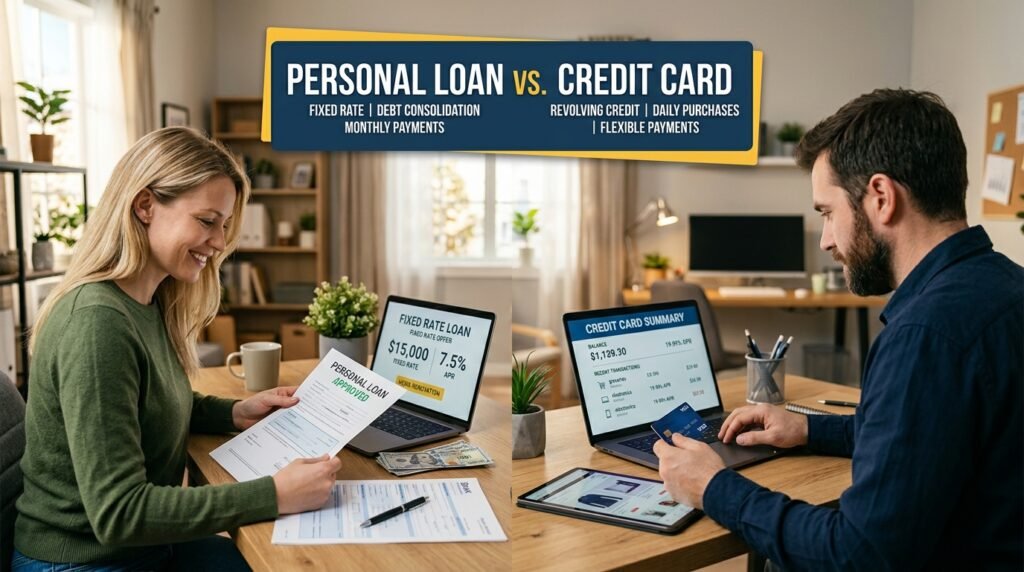
If you’re considering a large expense and weighing whether a personal loan is even the right tool, this comparison of a personal loan versus a credit card for a large expense can help you choose the option less likely to strain your budget in the first place.
Understand Your Rights If Contacted by a Collector
You have the right to request debt validation in writing, and collectors are legally restricted in when and how they can contact you. Reviewing your consumer protections can help you respond appropriately if a collection agency reaches out.
Is Debt From a Personal Loan Default Ever Forgiven?
Unpaid debt doesn’t simply disappear. In most states, there is a statute of limitations on how long a creditor or collector can sue you for an unpaid debt, but this varies significantly by state and by the type of debt agreement. Even after the statute of limitations passes, the debt itself may still exist and could still appear on your credit report for up to seven years — the expiration of the legal right to sue doesn’t erase what’s owed or automatically clear your credit history. In other words, even time doesn’t fully erase what you owe after you default on a personal loan — it only limits how the debt can be legally pursued.
How to Rebuild Credit After a Default
Recovering after you default on a personal loan takes time, but it’s far from impossible with the right steps:
- Pay what you can, even in collections. Some collectors will negotiate a reduced settlement, though this should be done carefully and in writing.
- Keep other accounts current. New on-time payment history on other credit accounts helps offset the damage over time.
- Monitor your credit report for accuracy. Errors in how a default is reported can sometimes be disputed and corrected.
- Avoid taking on new high-risk debt until your financial situation has stabilized.
Final Thoughts
Choosing to default on a personal loan is rarely a deliberate decision — it’s usually the endpoint of missed payments that weren’t addressed early enough. The consequences extend well beyond a damaged credit score, from collections activity to potential legal action and long-term difficulty accessing credit.
The best time to act is before default happens: contacting your lender early, exploring hardship options, and borrowing only what your budget can realistically support can often prevent the situation from escalating this far. If default has already occurred, the damage isn’t permanent — consistent on-time payments elsewhere, careful handling of collections, and patience over time can gradually rebuild your credit standing.