
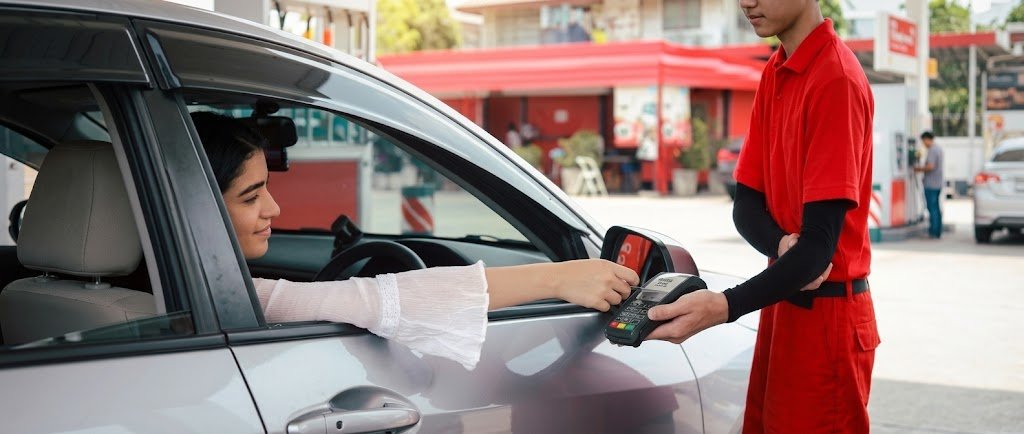
Fuel Surcharge Waivers: How to Save on Petrol Every Month With the Right Card
Gas is a bill you can’t skip, so a few cents per gallon adds up fast. Fuel surcharge waivers are built on a simple idea: paying by card at the pump shouldn’t cost you extra. In some countries, banks add a surcharge when you pay for fuel by card, and certain cards waive it. The US works differently, but the goal is the same: avoid paying more for using a card, and earn something back when you do.
This guide explains where extra fees really show up at US gas stations, how card rewards can offset them, and how to run the numbers yourself. It also covers a few mistakes that quietly cancel out the savings.
What Fuel Surcharge Waivers Mean for US Drivers
In the US, the fee usually doesn’t come from your card issuer. It comes from the station. Many stations post two prices: a lower cash price and a higher credit price. The gap pays for the cost of accepting cards.
So for US drivers, fuel surcharge waivers come down to two moves:
- Avoid the markup by choosing stations that charge the same price for cash and cards, or by paying cash or debit where it’s cheaper.
- Offset any remaining cost with a card that earns cash back or points on gas.
No card can promise you will never pay a surcharge. What you can do is know the rules, compare prices before you pump, and use rewards on purpose.
Where Gas Surcharges Really Show Up
Card networks once banned merchants from adding fees for credit card use. After a class action lawsuit, that ban ended. According to the Michigan Attorney General’s consumer protection office, merchants typically pay about 1.5% to 3.5% of a transaction to process a card. Visa limits surcharges to 3% and Mastercard to 4%, or the merchant’s actual cost if that is lower.
Three details matter for your wallet:
- Debit and prepaid cards are different. The same page notes that network rules and the settlement don’t allow surcharges on debit or prepaid transactions. Merchants can still offer discounts for cash.
- State laws vary. Some states ban or restrict surcharges, so what you see at the pump depends on where you are.
- Signs matter. Michigan, for example, requires stations to post conditions like cash-only pricing on road signs near the advertised fuel price.
When in doubt, look at the sign or the pump screen before you start fueling. If the credit price is much higher, you can drive to the next station.
How Fuel Surcharge Waivers and Card Rewards Fit Together
Think of the surcharge as a cost and card rewards as an offset. The break-even point is simple. If a station charges about 3% more for credit, a card paying 3% back on gas roughly cancels it out. A card paying less leaves you a little worse off than paying cash.
That is why fuel surcharge waivers are really a comparison exercise. You are comparing three numbers: the cash price, the credit price, and your card’s reward rate at gas stations.
Rewards only make sense if you pay your bill in full. Interest wipes out cash back quickly. To see how fast, read how credit card interest is calculated and how the grace period helps you avoid it.
Types of Cards That Can Cut Your Gas Bill
Category Cash Back Cards
Some cards pay a higher rate on gas purchases. The category may have a spending cap, and some cards rotate bonus categories every quarter. Always read the terms to confirm that gas stations are included and what counts as a gas purchase.
Flat-Rate Cash Back Cards
A flat-rate card pays the same percentage on everything. The rate is lower, but there are no categories to track. For a driver who fills up at a no-surcharge station, a steady flat rate can be simpler. Our comparison of travel versus cash back cards can help you decide which style fits your spending.
Station-Branded Cards and Fuel Programs
Some gas station chains offer their own cards or loyalty programs with cents-off-per-gallon discounts. Some stations may price their own card like cash, so check the sign before you pump. These can be good if you always use the same chain. The downside is that the card only works in one place.
A Hypothetical Month at the Pump
This example uses made-up prices and is for illustration only.
Imagine you buy 50 gallons of gas a month. A station posts $4.00 per gallon for credit and $3.88 for cash. That is a 3% difference.
| Option | Monthly cost |
|---|---|
| Pay cash | $194.00 |
| 3% gas card at the credit price ($200 minus $6 back) | $194.00 |
| 1.5% flat card at the credit price ($200 minus $3 back) | $197.00 |
| 3% gas card at a no-surcharge station ($4.00 for both) | $194.00 |
| 1.5% flat card at a no-surcharge station | $197.00 |
The lesson is that the best savings come from stacking: a no-surcharge station plus a strong gas reward rate. In this example, the 3% card earns $6 a month, or $72 a year. A $95 annual fee would wipe that out. Weigh any fee against your real gas spending before applying.
Steps to Capture Fuel Surcharge Waivers and Rewards
- Check your last three months of gas spending. Your credit card statement will show where you fuel and how often.
- Compare prices at nearby stations. Note which ones post separate cash and credit prices.
- Look up reward rates. The Consumer Financial Protection Bureau’s Explore Credit Cards tool lets you compare rates, fees, and rewards across hundreds of cards by credit score range.
- Pick one method per station. Use cash or debit where the price gap is large, and your rewards card where prices match.
- Set a payment routine. Turning on autopay for at least the full statement balance helps you avoid interest and late fees.
Not every card suits every driver. If you’re thinking about adding a second card for gas, understand how multiple cards affect your credit score first.
Common Mistakes That Cancel Out Your Savings
- Chasing rewards while carrying a balance. Interest costs more than most cash back earns.
- Ignoring the price sign. A 5% reward rate means little if the station charges 10% more for cards.
- Forgetting the annual fee. A fee higher than your yearly rewards leaves you behind.
- Assuming all gas purchases count. Warehouse stores, some wholesale clubs, and fuel inside larger retailers may be classified differently. Check your card’s terms.
- Skipping security. Pump card readers can be tampered with. Check your statement often, and learn the signs of credit card fraud.
- Missing changes to terms. Issuers can change reward rates and categories, so recheck periodically.
Practical Takeaways
- Fuel surcharge waivers in the US mean avoiding station markups and offsetting any remaining cost with rewards.
- Many stations post separate cash and credit prices, and the gap can be around 3% or more.
- Visa caps surcharges at 3% and Mastercard at 4%. Debit and prepaid cards can’t be surcharged under those rules.
- A gas rewards rate roughly equal to the surcharge means you break even.
- The best savings come from no-surcharge stations plus a card that earns on gas.
- Pay your balance in full, or the interest cancels your rewards.
- Compare annual fees against your real gas spending.
Final Thoughts on Fuel Surcharge Waivers
Saving on gas doesn’t require complicated tricks. It requires a minute of attention at the pump and a card that matches how you actually drive. Compare the cash price, the credit price, and your reward rate, and you will know in seconds which way to pay. Over a year, even small savings from fuel surcharge waivers and smart card use can add up.
This article is for educational purposes only and is not personalized financial advice. Card terms, rewards, and surcharge rules change and vary by state, so confirm details with your card issuer and local rules.