CoreFoxes

Charge Cards vs Credit Cards: What’s the Difference and Who Should Use Which?

Charge Cards vs Credit Cards: What’s the Difference and Who Should Use Which? Two people hand a cashier two cards that look almost identical. One card is built so the entire bill is due when the statement arrives. The other lets you pay a little now and the rest later, for a price. Knowing how charge vs credit cards really differ can save you from a painful surprise bill or from months of avoidable interest. The stakes are not small. The Consumer Financial Protection Bureau (CFPB) reports that U.S. consumers were assessed $160 billion in credit card interest charges in 2024. A charge card is designed to avoid that kind of cost, but it asks for something in return: you have to be able to pay in full, every time. This guide explains how each card works, where they overlap, how they can affect your credit, and what kind of cardholder tends to fit each one. The Core Difference Between Charge vs Credit Cards The simplest way to think about it is this: a charge card must be paid off in full each billing cycle, while a credit card lets you carry a balance from month to month if you pay interest on it. Both cards let you buy now and pay later. Both show up on your credit report. In the charge vs credit cards comparison, the real split comes at the end of the billing cycle. Feature Charge Card Credit Card Payment due Full statement balance each cycle Minimum payment, with the balance able to carry over Interest Generally none, since no balance rolls over Charged on any carried balance (APR) Spending limit Typically no preset limit; spending power adjusts Fixed credit limit Annual fee Often has one Varies; many have none Credit utilization Reporting varies by issuer Counted against your limit Best suited for Reliable pay-in-full spenders People who want a flexibility safety valve Keep in mind that the lines are blurrier than the table suggests. Some issuers now sell hybrid products, which we will cover below. How a Charge Card Works A traditional charge card works like a monthly tab. You spend during the cycle, receive a statement, and pay the full amount by the due date. A few features usually come with that structure: No revolving balance. Because the full amount is due, there is typically no ongoing interest rate to worry about. No preset spending limit. Instead of a fixed ceiling, the issuer looks at your income, payment history, and spending patterns to decide whether each purchase goes through. Consequences for missing payments. Late fees, restricted spending, or a closed account can follow if you do not pay the full balance on time, depending on the issuer’s terms. Premium positioning. Many charge cards carry annual fees and pitch travel perks, purchase protections, or concierge-style benefits. The trade-off is simple. You get flexibility in how much you can spend, but no flexibility in how you repay. How a Credit Card Works A credit card gives you a revolving line of credit up to a set limit. Each month you can pay the full balance, the minimum, or anything in between. If you pay in full, you generally avoid interest thanks to the credit card grace period. If you carry a balance, interest is added, which is why it helps to understand how credit card interest is calculated before relying on minimum payments. The fixed limit cuts both ways. It acts as a built-in guardrail against overspending, but it can also feel restrictive if you have a large expense. If your needs grow, a credit card limit increase may be an option, though approval is never guaranteed. Spending Limits: What “No Preset Limit” Really Means “No preset spending limit” sounds like permission to spend without ceilings. It is not. According to American Express, which issues several cards in this category, the amount you can spend adapts based on factors such as your purchase, payment, and credit history. The issuer can also assign a specific limit in some cases. Your budget, not the card’s marketing language, is the real limit. Hybrid features add another wrinkle. Some charge-style cards let you opt into a pay-over-time feature that allows you to carry certain balances with interest, up to a separate financing limit. Any charges above that limit are due in full. That can be a useful cushion, but it also means the card no longer behaves like a strict pay-in-full product. If you want the discipline of a charge card, check whether the feature is active and whether you can turn it off. Charge Card vs Credit Card: Costs and Fees The cost picture depends on how you use the card. Charge cards usually avoid interest, but annual fees tend to be higher, and late payments can carry penalties. If you pay in full every month, the annual fee is your main cost. Credit cards can cost nothing if you pay in full and choose a no-annual-fee product. If you carry a balance, though, interest can dominate the cost. The CFPB found the average APR reached 25.2 percent in 2024. At that rate, a $1,000 balance would generate roughly $21 in interest in a month. When weighing charge vs credit cards on cost alone, a disciplined payer with a no-annual-fee credit card may spend less than someone paying a premium fee for a charge card. The charge card makes sense only when the benefits and spending flexibility are worth more to you than the fee. How Each Card Type Can Affect Your Credit Score Payment history is the biggest factor in FICO scores at 35 percent, and amounts owed follows at 30 percent. Both card types report to the credit bureaus, so a late payment hurts either way. Where they differ is credit utilization, which is the share of your available revolving credit that you are using. A credit card with a $10,000 limit and a $5,000 balance is easy to measure. A charge card has no preset limit, so it is less straightforward. Depending on the issuer’s reporting and the scoring model, the account may be excluded from utilization calculations or measured against the highest balance reported. Because that treatment varies, review your credit reports to see how each account is listed. This breakdown of FICO vs VantageScore differences helps explain why two scores can treat the same account differently. Who Should Use a Charge Card, and Who Should Use a Credit Card Neither product is better in general. When it comes to charge vs credit cards, they suit different habits. A charge card may fit you if: You reliably pay your full statement balance every month. Your monthly spending is high or irregular, and a fixed limit would get in the way. You will use the benefits enough to justify an annual fee. You want the built-in rule that you cannot carry debt. A credit card may fit you if: You want a safety valve for the occasional month when you cannot pay in full. You are new to credit. If you are just starting out, see how to build credit from scratch or consider how secured credit cards work. You prefer a no-annual-fee option. You like a visible limit that helps you stay within budget. Rewards matter too. Whichever card type you choose, it helps to compare travel vs cashback cards against how you actually spend, not how you wish you spent. Many people hold both types. The key is matching each card to a clear job instead of collecting them for the perks. A Realistic Example: Two Cardholders The following is a hypothetical example for illustration only. Maya runs a small design business and puts about $3,200 a month in business and personal expenses on a charge card. She automatically pays the statement in full every month, so she never carries a balance. Her main cost is the annual fee, and she values the flexibility during busy months. Daniel has a variable income as a freelance electrician. One month, a $1,800 van repair hits just before a slow stretch. His credit card lets him pay $300 and carry the rest. At a 25 percent APR, the first month’s interest on the remaining balance is roughly $37, and it keeps accruing until he pays it down. Neither choice is wrong. Maya’s card fits her predictable pay-in-full habit. Daniel’s card gave him room to breathe when he needed it, though it had a cost. If Daniel had used a strict charge card, he would have faced a full $1,800 due at once. Common Mistakes When Choosing Between Charge and Credit Cards Treating “no preset limit” as “unlimited.” Approval still depends on your finances, and your budget is the real limit. Choosing a charge card without a payoff plan. If you cannot reliably pay in full, the product can backfire. Ignoring the annual fee math. A fee only makes sense if you will use the benefits enough to outweigh it. Overlooking hybrid features. Pay-over-time options can quietly turn a pay-in-full card into a high-interest balance. Assuming credit cards are always the riskier option. A credit card paid in full each month can be just as safe and often cheaper. Not checking how the account is reported. Utilization treatment can differ, so review your credit reports. Relying on memory for due dates. Setting up credit card autopay for at least the full statement balance can help prevent late payments, as long as your checking account stays funded. Practical Takeaways A charge card is designed to be repaid in full every cycle. A credit card lets you carry a balance with interest. “No preset spending limit” means flexible spending power, not unlimited spending. Both card types affect your payment history, which is the largest part of a FICO score. Utilization treatment for charge cards varies, so check your credit reports. Compare annual fees, interest rates, and benefits against your real habits before settling the charge vs credit cards question. Hybrid pay-over-time features can change how a charge-style card behaves. Choose the card that matches the way you actually pay, not the way you hope to pay. Final Thoughts on Charge vs Credit Cards The decision between charge vs credit cards comes down to one honest question: do you pay your full balance every single month, or do you want room to carry a balance when life gets messy? If you pay in full reliably and value flexible spending power, a charge card may be worth a look. If you want a safety valve, a visible limit, or a way to build credit, a credit card often fits better. Either way, the best card is the one you can manage without stress.

Charge Cards vs Credit Cards: What’s the Difference and Who Should Use Which? Two people hand a cashier two cards that look almost identical. One card is built so the entire bill is due when the statement arrives. The other lets you pay a little now and the rest later, for a price. Knowing how … Read more


Why Did My Credit Card Issuer Lower My Limit? Causes and Solutions

Person reviewing a credit card notice after a credit limit decrease

Why Did My Credit Card Issuer Lower My Limit? Causes and Solutions You go to pay for groceries and your card is declined. A quick look at your account shows why: the limit you’ve had for years has been cut. If you’ve just experienced a credit limit decrease, you’re probably wondering what you did wrong, … Read more

Converting Credit Card Purchases to EMI: Smart Move or Costly Trap?

Person reviewing a credit card EMI installment plan on a smartphone before converting a laptop purchase

Converting Credit Card Purchases to EMI: Smart Move or Costly Trap? You’re about to check out with a new laptop when a friendly offer pops up: “Split this into 12 easy monthly payments.” Or maybe it shows up after the purchase, as a button next to the transaction in your card app. The monthly number … Read more

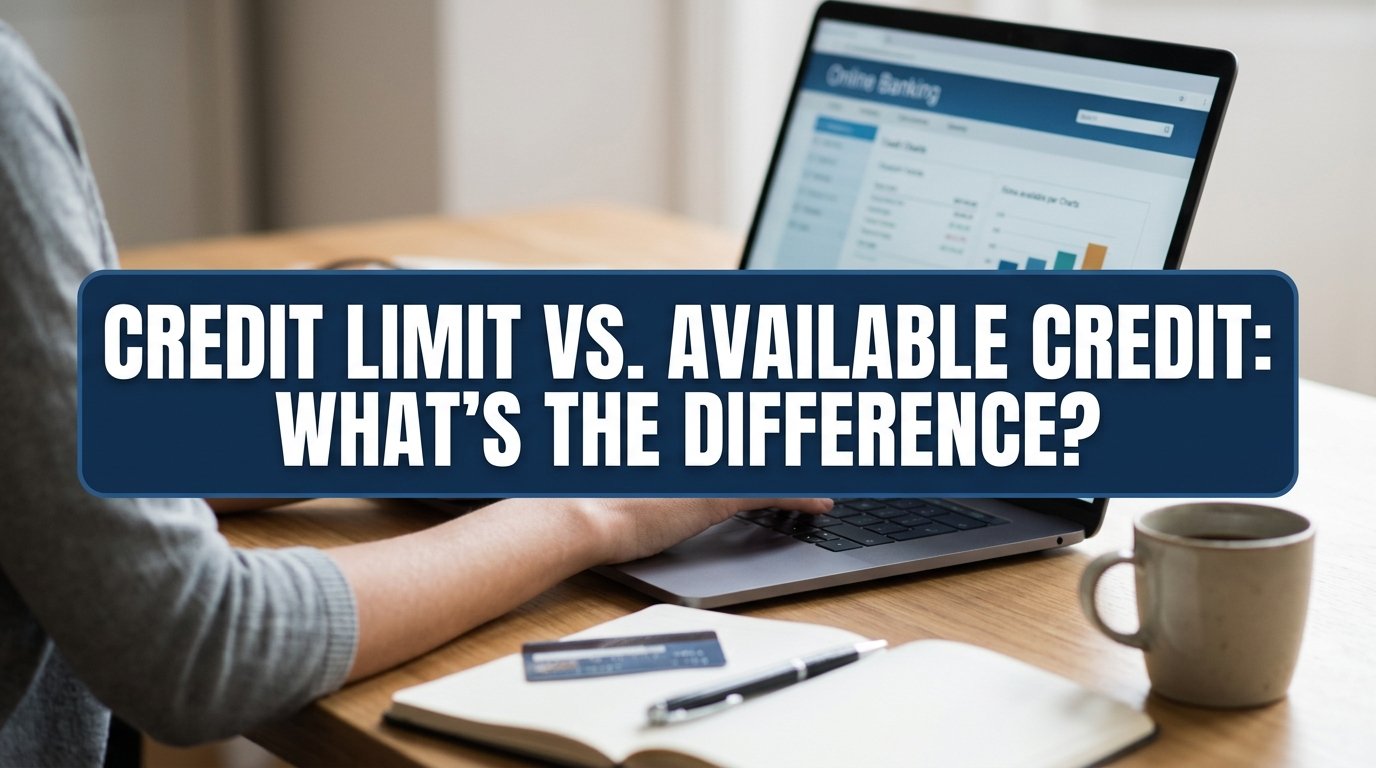
Credit Card Available Credit vs. Credit Limit: What’s the Difference?

Credit Card Available Credit vs. Credit Limit: What’s the Difference?

When you check your credit card account, you may notice two numbers that seem similar: your credit limit and your available credit. Although they are connected, they mean different things. Your credit limit is the maximum amount your card issuer allows you to borrow on the account. Your available credit is the amount you can … Read more

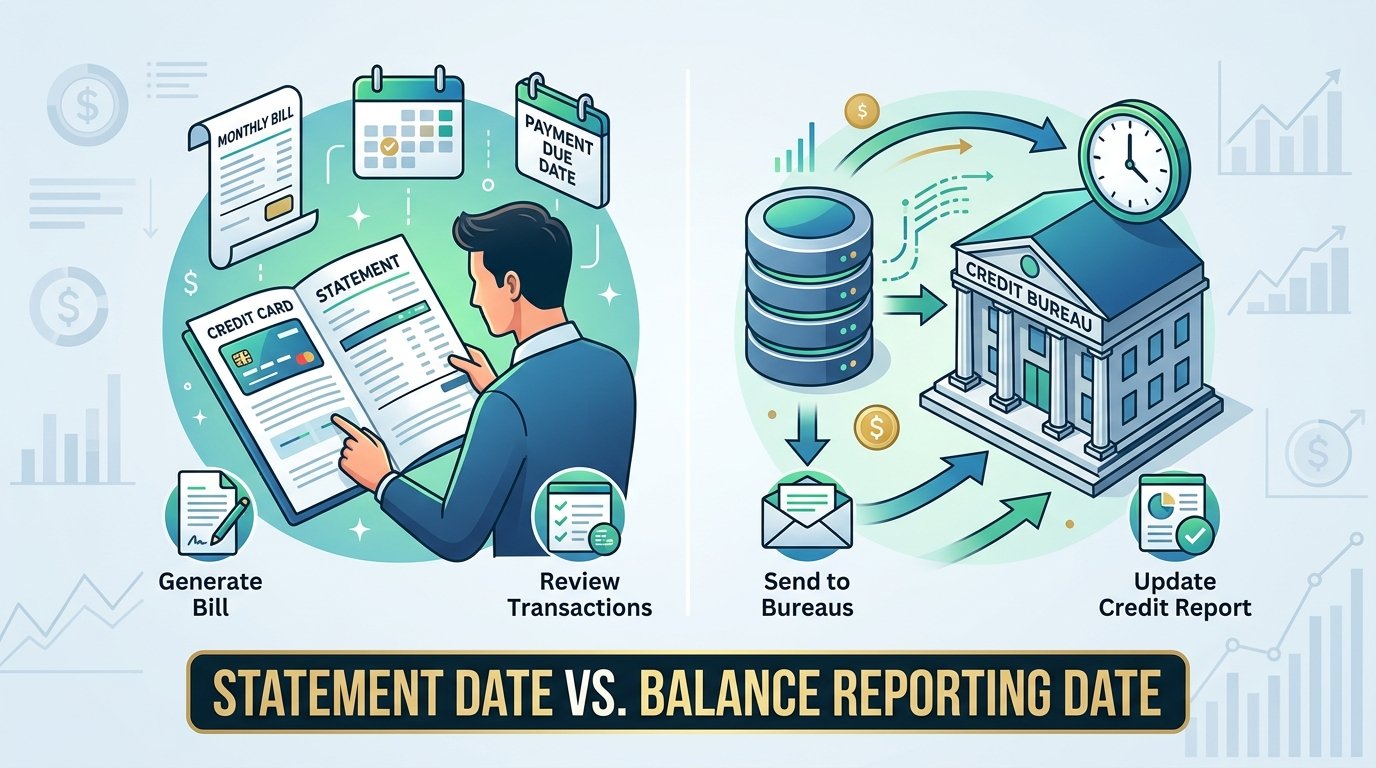
What Is a Credit Card Balance Reporting Date and How Is It Different From the Statement Date?

What Is a Credit Card Balance Reporting Date and How Is It Different From the Statement Date?

If you use a credit card regularly, you may know your payment due date and statement date, but there is another important concept to understand: the credit card balance reporting date. Your credit card balance can change several times during a billing cycle as you make purchases and payments. However, the balance that appears on … Read more

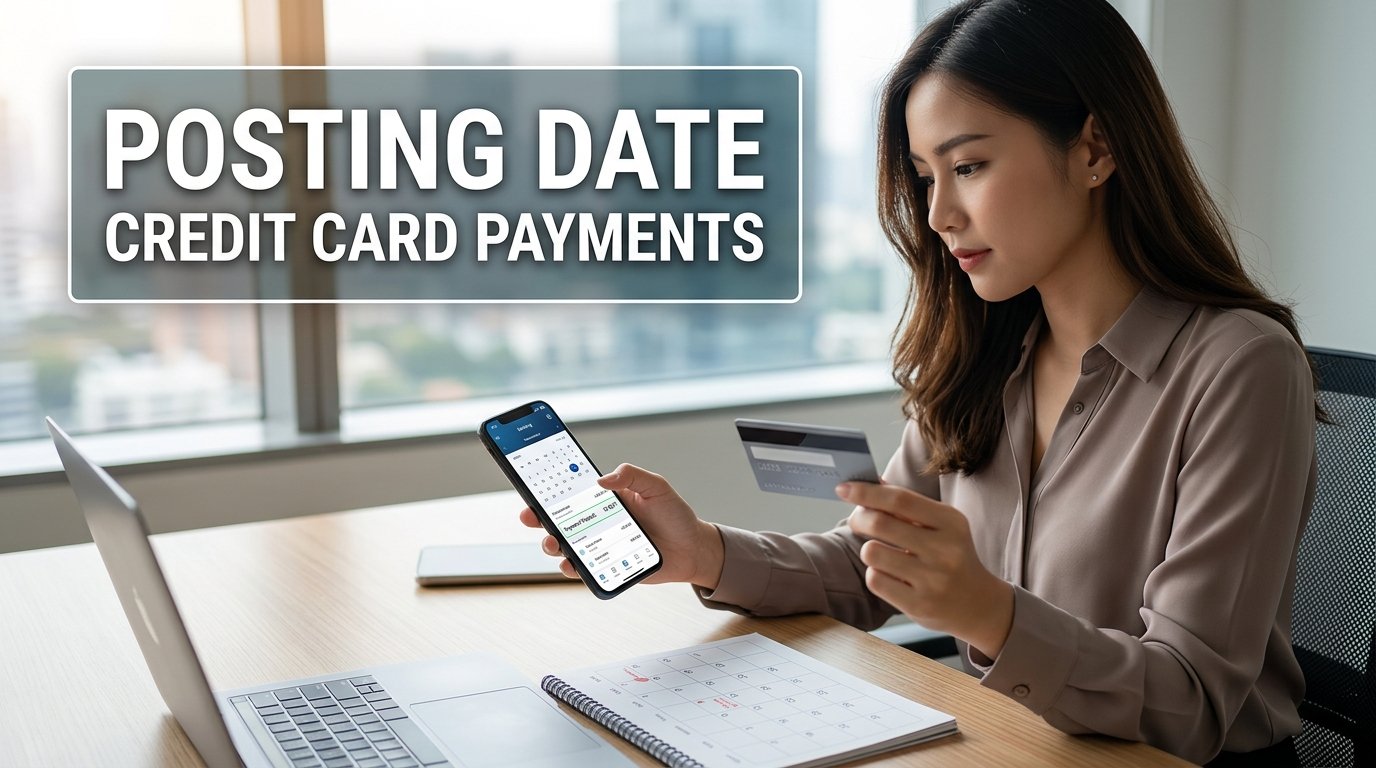
What Is a Credit Card Payment Posting Date and Why Is It Important?

What Is a Credit Card Payment Posting Date and Why Is It Important?

When you make a payment on your credit card, you might assume that the payment immediately reduces your balance. However, credit card payments usually go through a processing and posting process before they are officially reflected on your account. This is where the credit card payment posting date becomes important. The payment posting date is … Read more

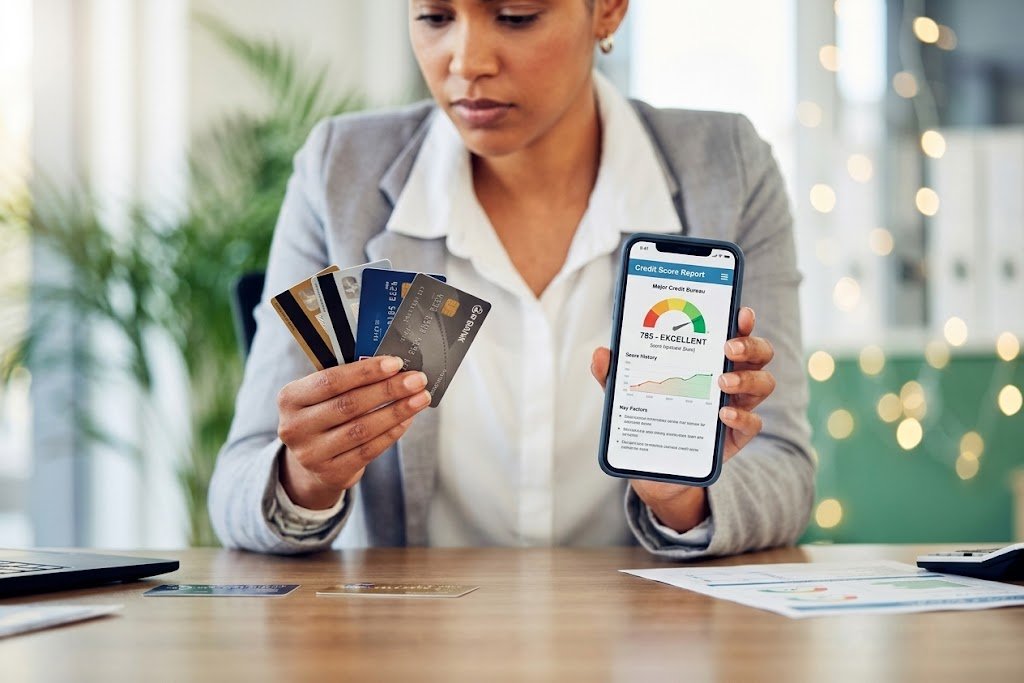
How to Improve Your Credit Score Fast: 7 Proven Steps That Actually Work

Person checking their credit score on a smartphone while reviewing paperwork at a desk

If you want to improve your credit score fast, the good news is that some changes can move your score within one or two billing cycles. The less comfortable news is that other factors, like account age and past late payments, only improve with time. This guide focuses on the steps that carry the most … Read more

Multiple Credit Cards vs One Card: What’s Actually Better for Your Credit Score?

Person comparing one card vs multiple cards while checking their credit score on a smartphone

Choosing between one card vs multiple cards is a question almost everyone with credit eventually asks, and the honest answer depends on how you use the cards, not just how many you have. It’s not really about a magic number. It’s about how each choice interacts with the specific factors that make up your score … Read more

Credit Card Limit Increase: Does Requesting One Hurt or Help Your Score?

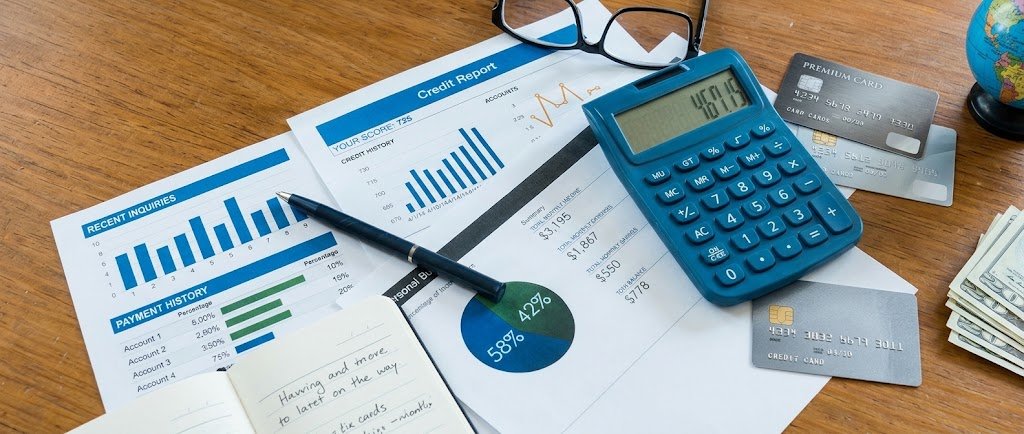
Credit card and calculator on a desk illustrating a credit card limit increase and its effect on a credit score

A credit card limit increase can help your credit score, hurt it slightly, or leave it unchanged. The outcome depends on two things: how your issuer checks your credit when you ask, and what you do with the extra credit once you have it. Here’s the short version: Hard inquiry: may cause a small, temporary … Read more

Why Your Credit Score Dropped After Paying Off a Card in Full (The Surprising Reason)

Person checking their credit score dropped after paying off a credit card in full

You did everything right. You paid off a credit card balance in full, expecting your credit score to climb as a reward for finally clearing the debt. Instead, you check your score a few days later and it’s actually lower than before. If your credit score dropped after paying off a card, the reason usually … Read more

The Statement Date Trick Nobody Tells You About (It Can Boost Your Score Fast)

Person reviewing their credit card statement closing date to use the statement date trick and lower reported utilization

Most people assume their credit score only reflects what they owe on the day they check it. In reality, it reflects a single snapshot — the balance your card issuer reported to the credit bureaus on your statement closing date. Once you understand that distinction, a simple technique known as the statement date trick can … Read more

Closing a Credit Card Sounds Smart — Here’s How It Secretly Hurts Your Score

Person considering closing a credit card by cutting it up, weighing the effect on their credit score

Cutting up an old credit card feels like a responsible move — one less temptation, one less account to manage, one step closer to a “clean” financial life. But closing a credit card is one of the most common pieces of well-intentioned advice that can quietly work against you. In many cases, the card sitting … Read more

CoreFoxes

Your hub for online earning, jobs, scholarships, finance guides, tech trends and global updates.

Categories

Quick Links

© 2026 CoreFoxes. All rights reserved.